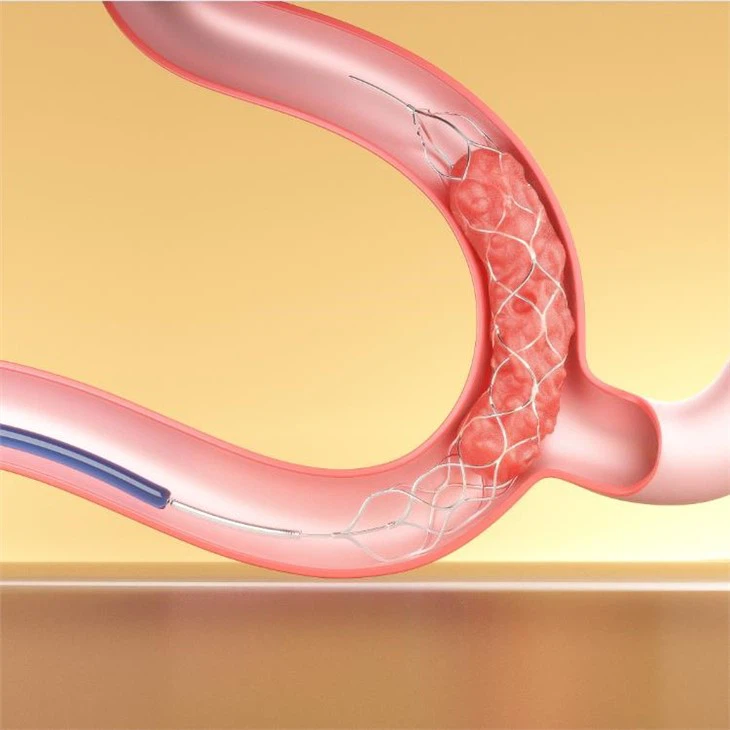
Stent thrombectomy is a medical procedure used to remove a blood clot that has formed near or inside a stent implanted in a narrow or blocked blood vessel. A stent is a small, wire-mesh tube used to keep blood vessels open and improve blood flow. Sometimes blood clots can form within the stent, leading to a blockage of blood flow and potentially causing a heart attack or stroke.
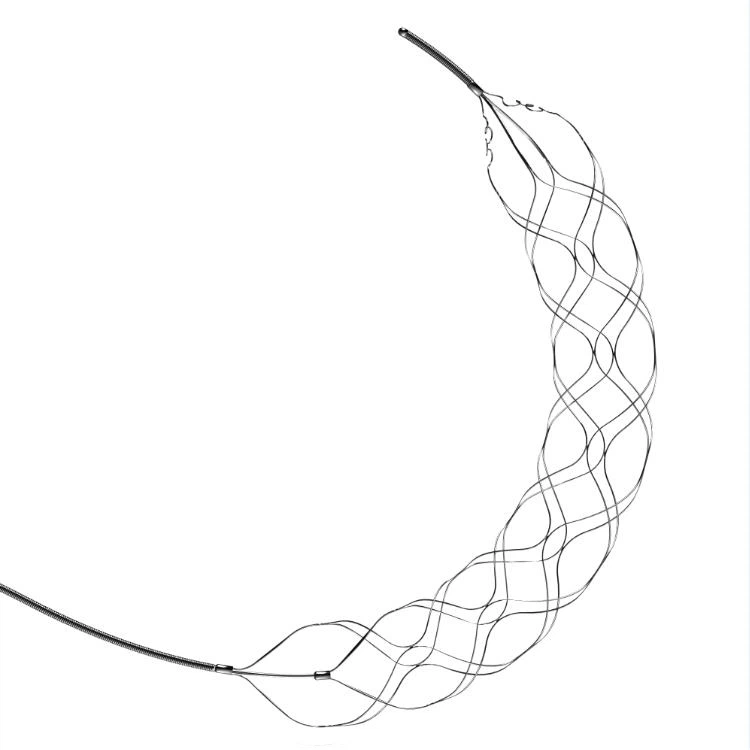
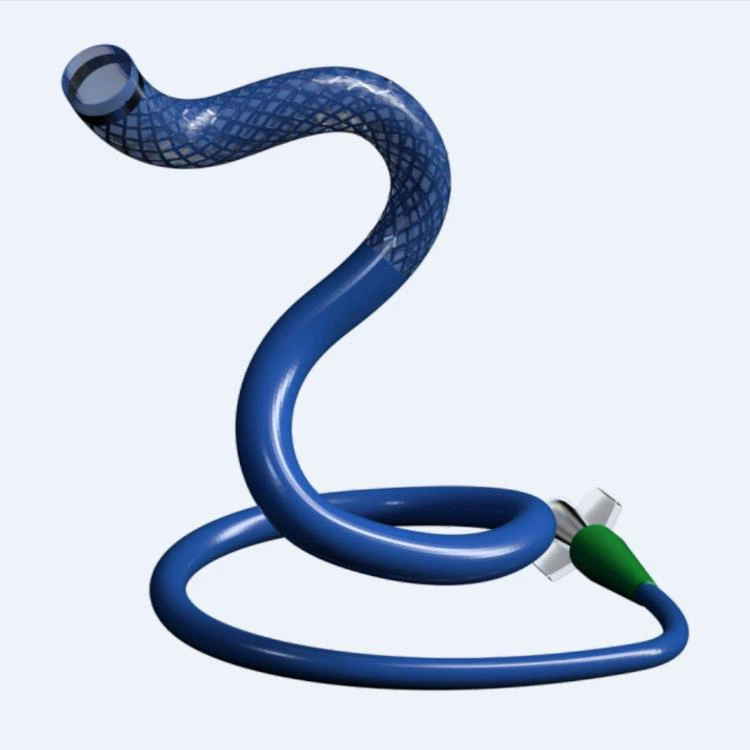
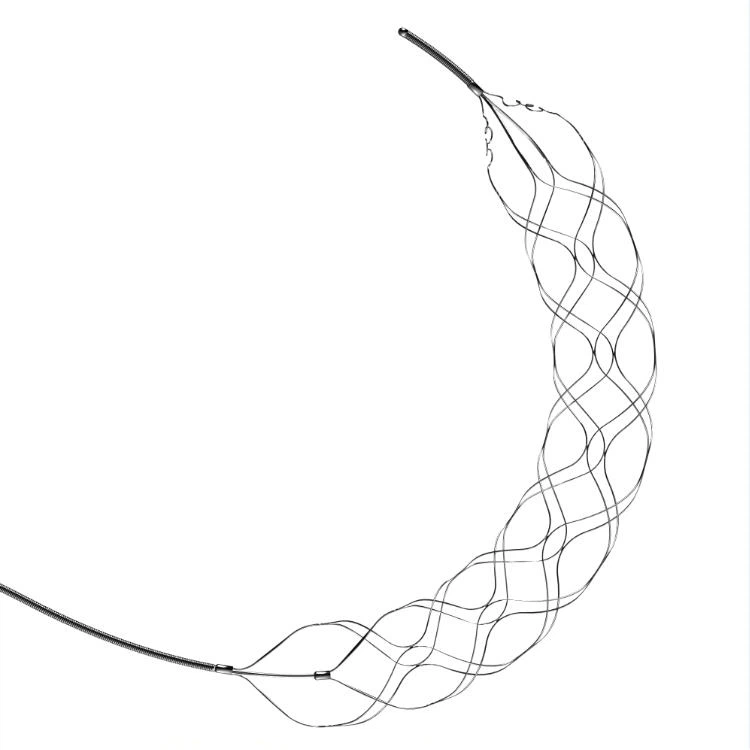
The stent thrombectomy is a minimally invasive procedure used to remove blood clots from arteries and veins. This procedure involves the insertion of a catheter into the affected blood vessel, followed by the placement of a stent to prevent the recurrence of the clot. One of the unique aspects of endovascular stent thrombectomy is the use of imaging technology in a minimally invasive way. This technique has many benefits, including the ability to perform precise procedures while minimizing the risk of complications. One of important aspects of endovascular stent thrombectomy is tuck net which is designed to capture the blood clot once it has been removed from the blood vessel. The tuck net is made of a mesh material that is placed over the catheter during the procedure. Once the clot has been removed, the tuck net captures the clot and prevents it from migrating to other parts of the body.
Features &Advantages
1. The soft tip is designed to prevent damage to the inner wall of the blood vessel, making it a safer option for patients.
2. Large push wire enhances manipulation of the catheter, which makes it possible for doctors to navigate through the blood vessels with greater ease, reducing the risk of complications and improving patient outcomes.
3. Comprehensive sizes meet a variety of different needs.
4. The front-end protective umbrella-type truck net design is used to prevent small emboli from escaping to the far end of the procedure. This is important, as it helps to minimize the risk of further damage to the patient's brain.
5. The movable grid of the dual-layer stent rallows the stent to capture, clamp, and remove thrombus with ease.
6. Complete visible offers complete visibility. This means that clinicians are able to see real-time visual feedback during the procedure, which can help them to make more informed decisions and improve patient outcomes.
7. The minimum radial outward force reduces vascular intima stimulation and damage.