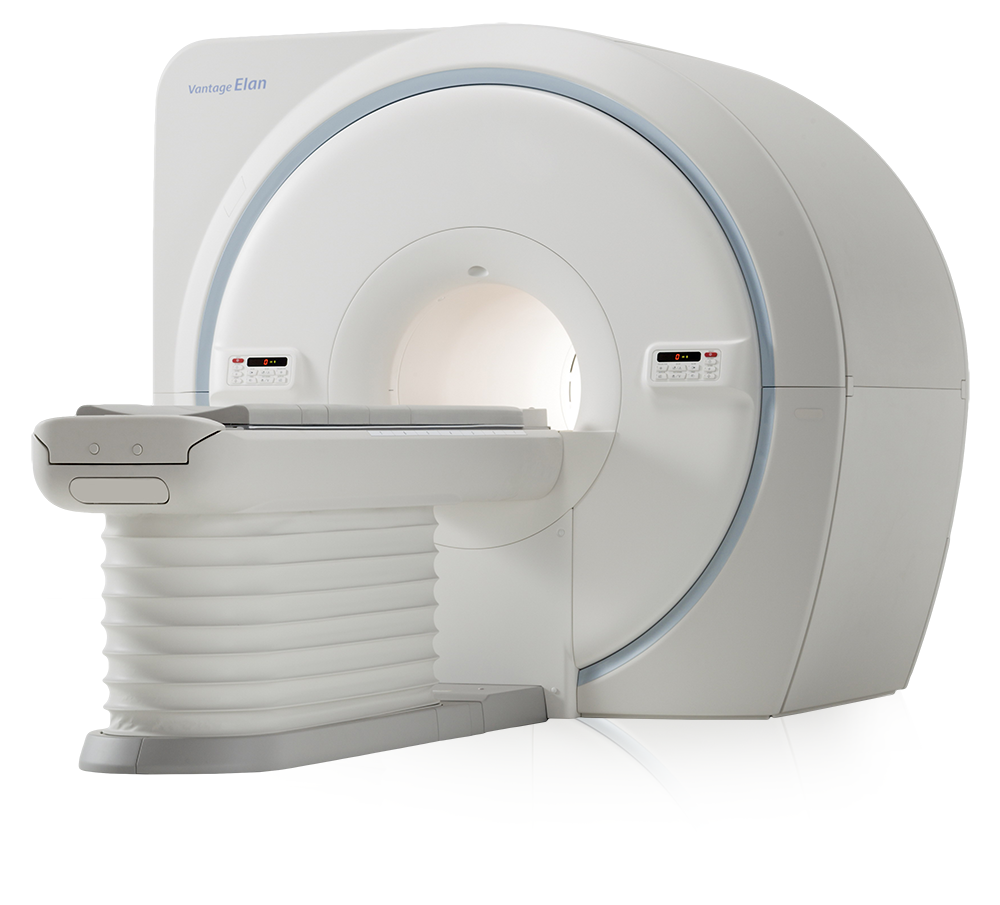
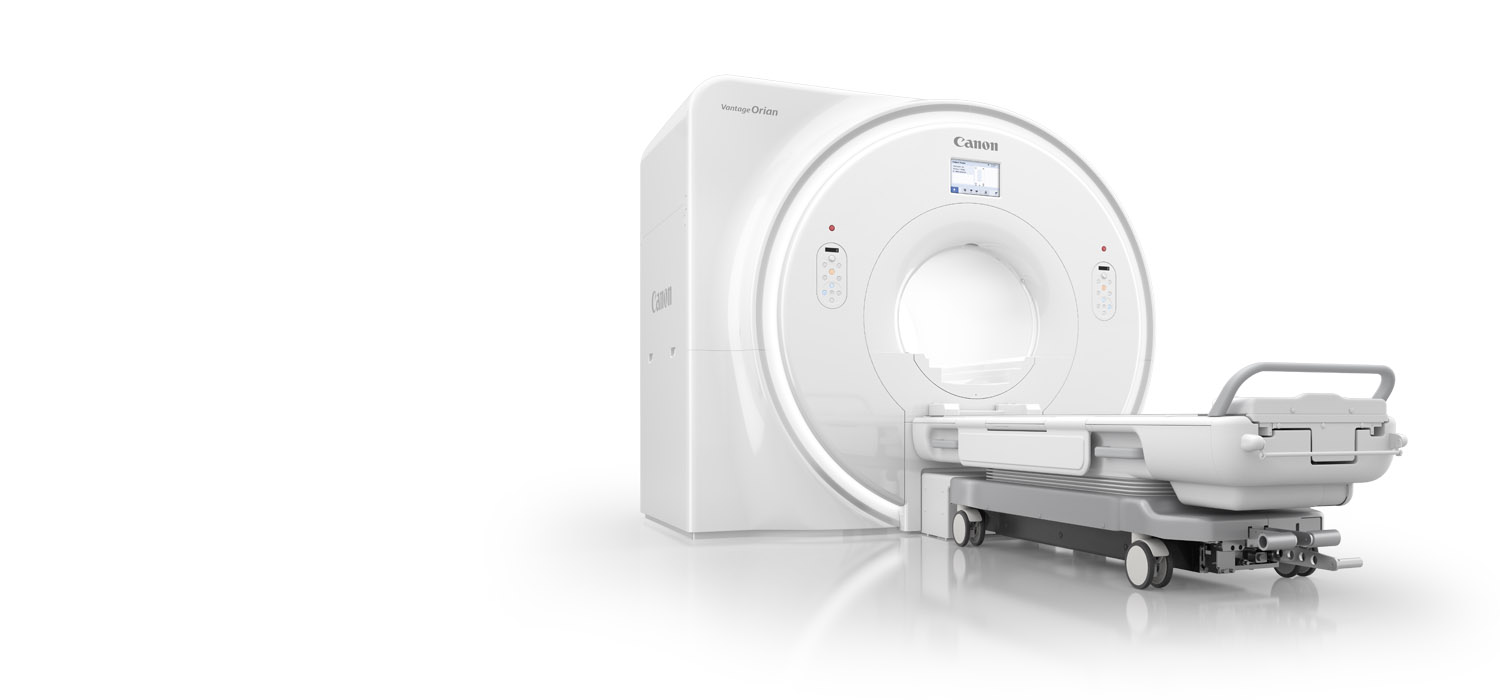
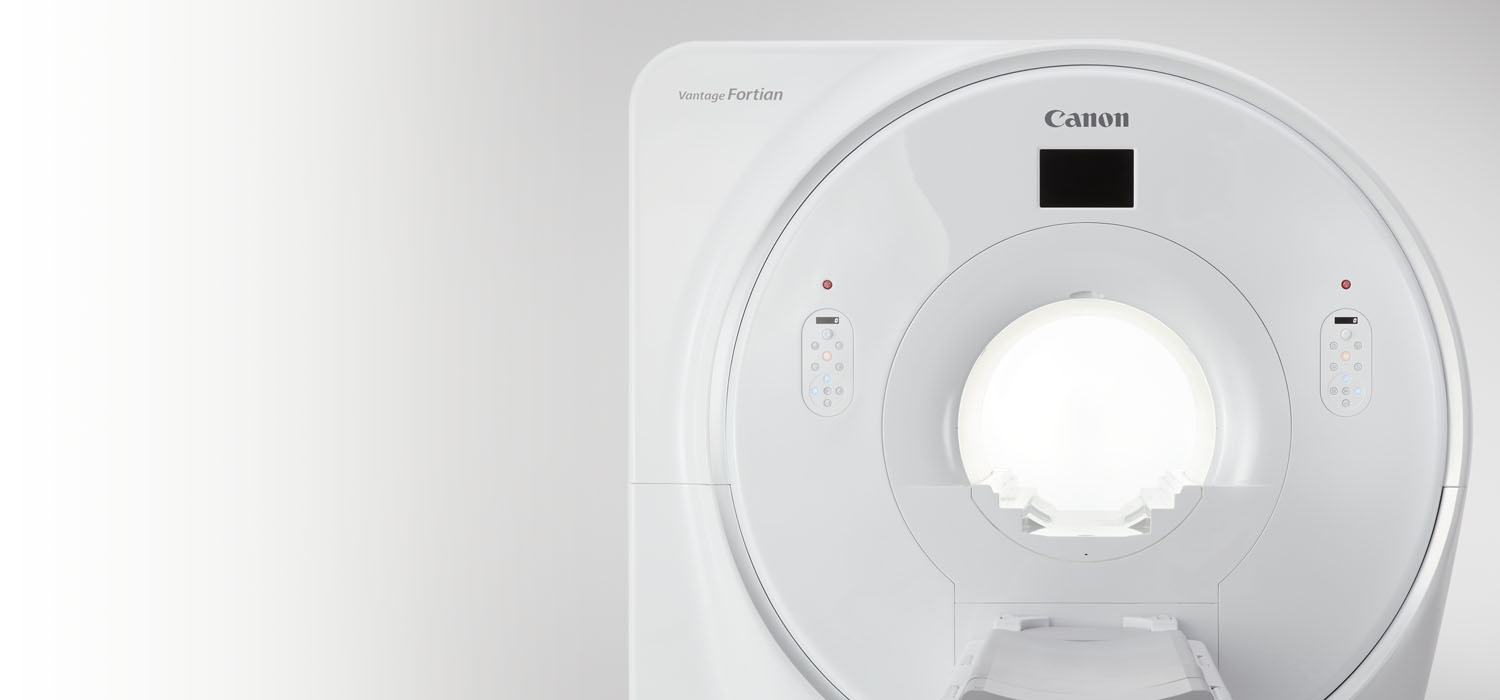
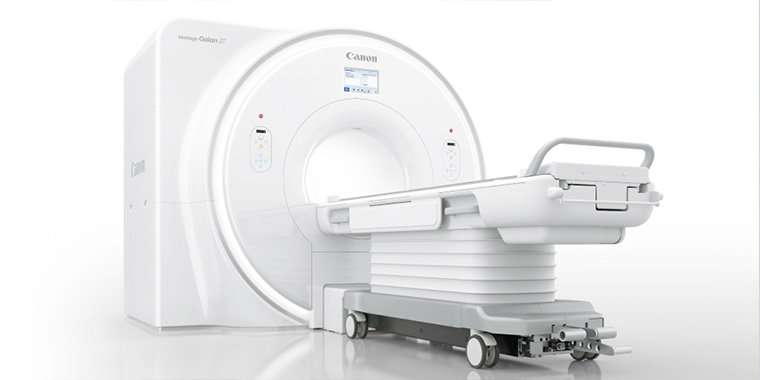
The uPMR 790 from United Imaging is a cutting-edge PET/MR scanner designed to provide high-quality imaging with advanced capabilities for clinical and research applications. Below are the key specifications and features of the uPMR 790:
General Features:
Dual-modality imaging:PET and MRI combined into one system, providing complementary imaging data for precise diagnostics.
High-resolution PET imaging with a large field-of-view (FOV) for improved detection of small lesions.
MRI capabilities with strong magnetic fields (likely 1.5T or 3T) for high-quality anatomical imaging and soft tissue detail.
PET Imaging Specifications:
PET Detector:High-performance detectors for enhanced sensitivity and resolution.
Time of Flight (TOF) PET technology for improved image quality and faster scans.
Quantitative accuracy:Accurate measurement of tracer distribution for more reliable diagnosis.
Sensitivity:High sensitivity to detect low levels of radioactive tracers.
Spatial Resolution:Excellent spatial resolution for detecting small tumors and lesions.
MRI Capabilities:
MRI Field Strength:Likely available in both 1.5T and 3T options, depending on the model and configuration.
High-resolution imaging:Superior soft tissue contrast with detailed anatomical images.
Advanced imaging techniques:Functional MRI (fMRI), Diffusion Tensor Imaging (DTI), and other advanced MR protocols.
Software and Processing:
Advanced imaging software for fused PET/MR images, allowing clinicians to interpret functional and anatomical data together.
Data fusion capabilities:Accurate fusion of PET and MRI data for comprehensive diagnosis and treatment planning.
Automated analysis tools:To streamline image processing and enhance workflow efficiency.
Clinical Applications:
Oncology:Detection, staging, and monitoring of cancer, as PET scans highlight metabolic activity while MRI provides high-resolution anatomical data.
Neurology:Brain imaging for conditions like Alzheimer's, epilepsy, and tumors, with functional and structural insights.
Cardiology:Imaging for heart diseases, including perfusion and viability studies.
Research:Ideal for advanced research in molecular imaging, helping to study diseases at the cellular and molecular levels.
Additional Features:
Fast scanning times:Minimizes patient discomfort and enhances throughput in busy clinical settings.
Patient-friendly design:Open architecture, reduced noise, and a comfortable patient environment.
Space-efficient:Combines two high-performance imaging modalities into one system, optimizing space in clinical facilities.