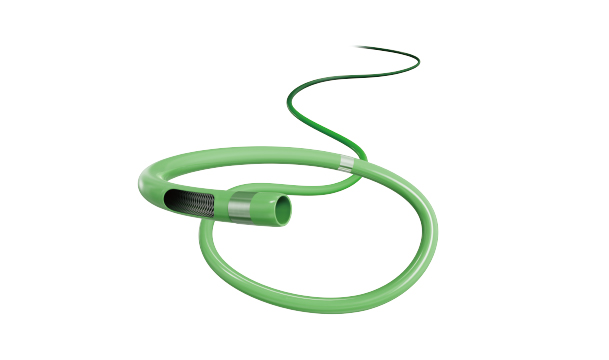
Glutton Thrombus Extraction Catheter Glutton Thrombus Extraction Catheter is an interventional method for the treatment of cerebrovascular diseases. Using the flexible nature of the catheter, it can enter the brain through blood vessels, draw out thrombus and other vascular obstructions.
GluttonTM Thrombus Extraction Catheter is an interventional method for the treatment of cerebrovascular diseases. Using the flexible nature of the catheter, it can enter the brain through blood vessels, draw out thrombus and other vascular obstructions through suction, restore blood supply, and relieve a series of symptoms such as brain ischemia. GluttonTM neurointerventional thrombus extraction catheters have a wide range of applications and can be used to treat various vascular diseases such as cerebral thrombosis and cerebral hemorrhage. In neurointerventional surgery, the doctor will first place the catheter through a slender, soft guide wire on the cerebral artery or vein that needs to be treated clinically, and through the precise operation under the guidance of X-rays, after controlling the catheter to enter a specific area, use The suction device inside the catheter sucks out blood clots, etc., and restores normal blood flow.
Features &Advantages
1. The leading ultra-smooth hydrophilic coating on the surface of the tube easily rises to a higher position.
The smooth hydrophilic coating is essential in improving the device's navigation through the vascular system. The hydrophilic properties of the coating enable the device to slide more easily through the vessels and reach the clot's affected area. Moreover, the coating is designed to be biocompatible, which minimizes the risk of adverse reactions.
2. The super-large inner cavity takes into account both apsiration and access support functions.
This lumen is cleverly designed to both support access and also be used for suction. If the catheter gets stuck in the passage, just turn on the aspiration function and the obstruction can be pulled out.
Thrombus Extraction Catheter
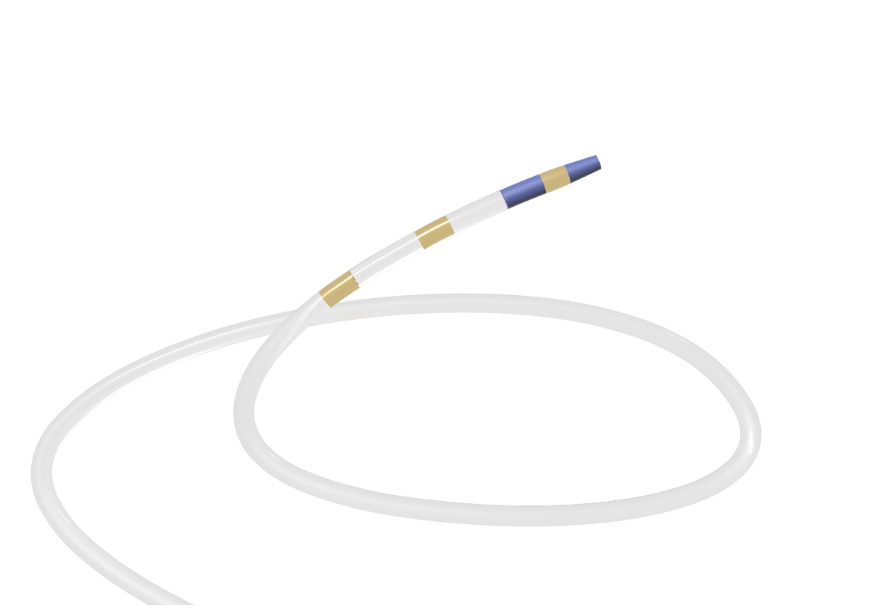
3. The distal multi-stage hardness gradient design improves flexibility.
The proximal hardness of the catheter needs to be strong enough to push the catheter into the body, but it needs to become softer when the catheter is close to the area to be operated, which depends on the multi-stage hardness gradient design of the distal end. This design allows the distal end of the catheter to gradually soften to accommodate the site being manipulated. This feature can make the catheter more flexible during operation and avoid damage to the patient.
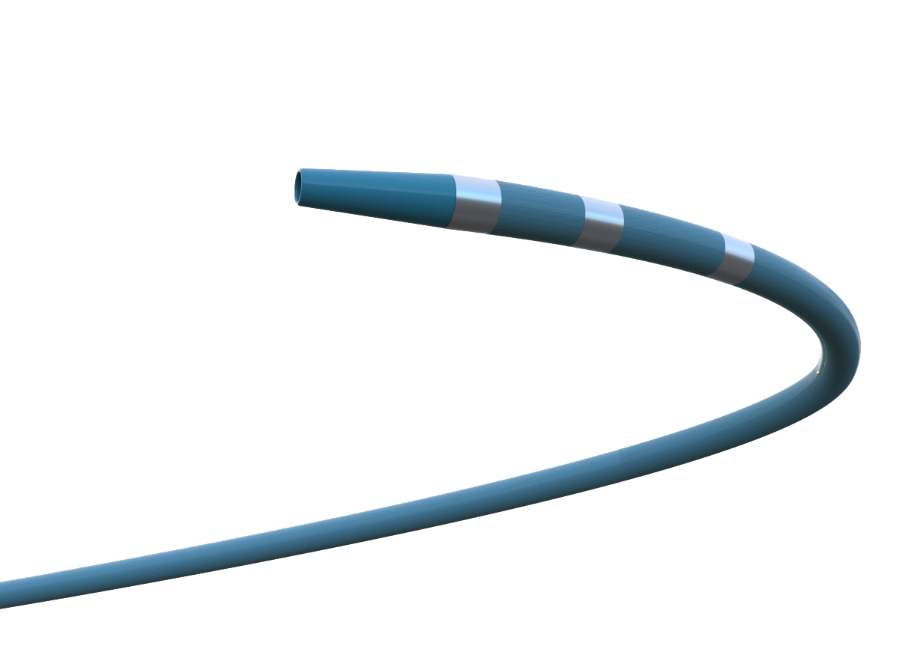
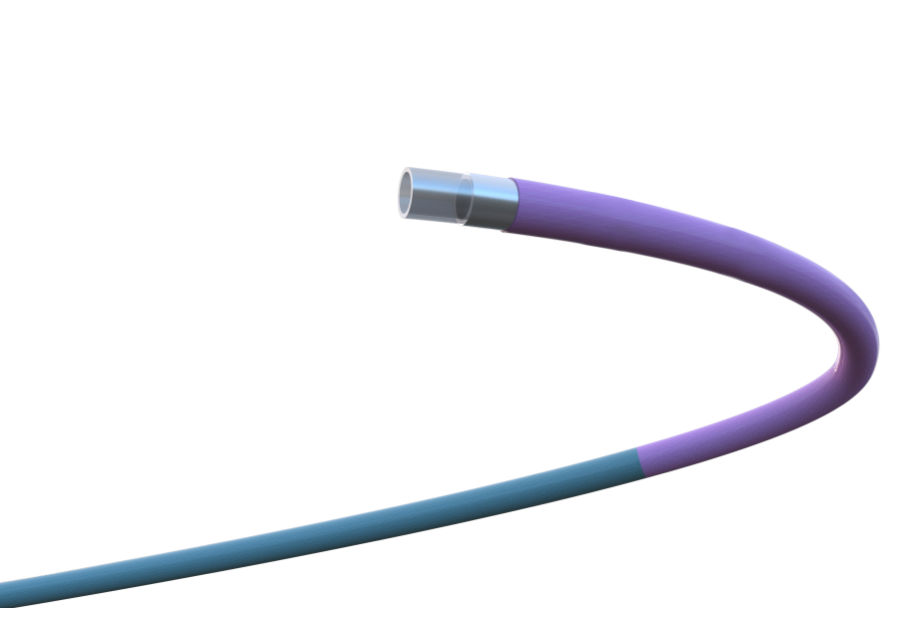
4. Two types of hardness, hardened and standard.
This catheter is available in two different hardness grades. Stiffened catheters are stiffer, making it easier to push the catheter. The standard type is softer and suitable for more complicated and narrow passages. This feature allows selection of different catheter types for different treatment needs.
5. Hybrid structure of coil and braiding combines with flexibility and maneuverability.
Aspiration Catheter Thrombectomy