◆ Product Features :
- DMSO compatible
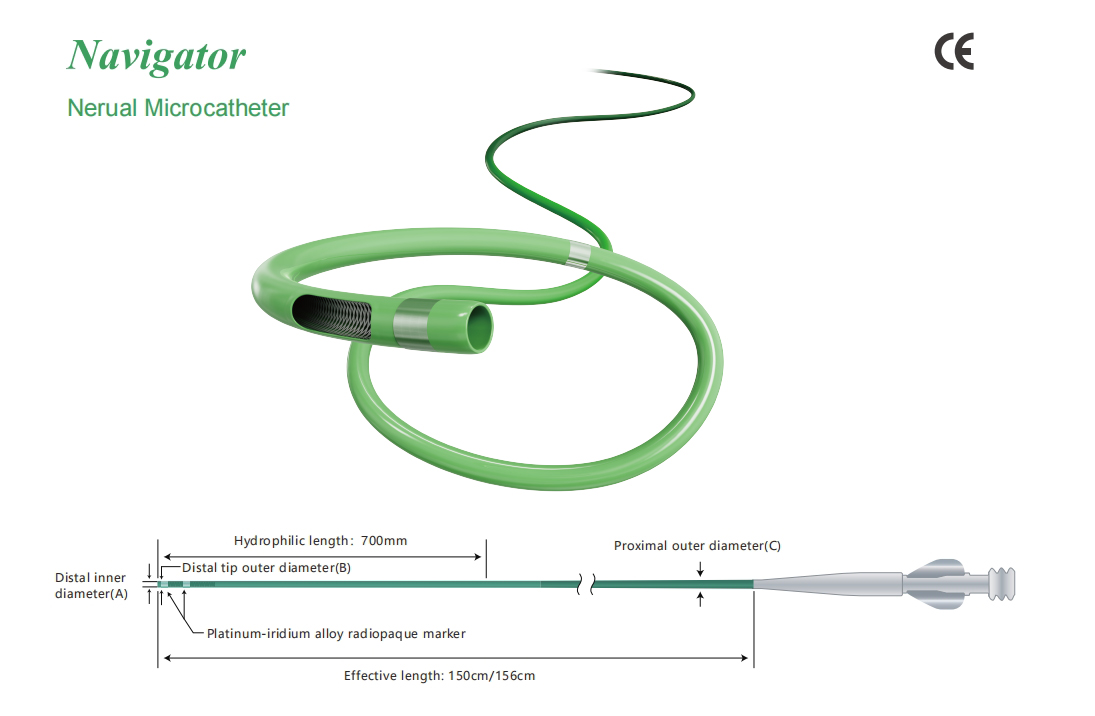
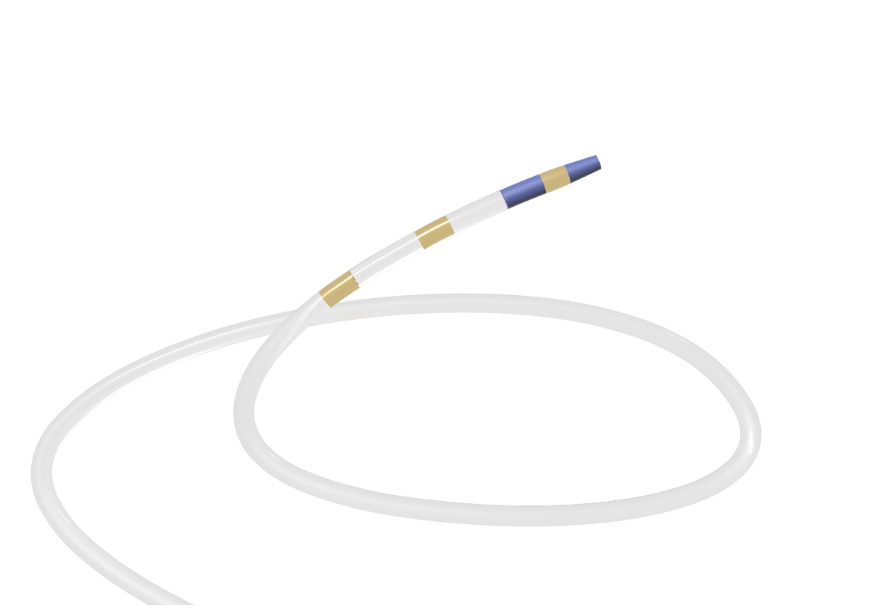
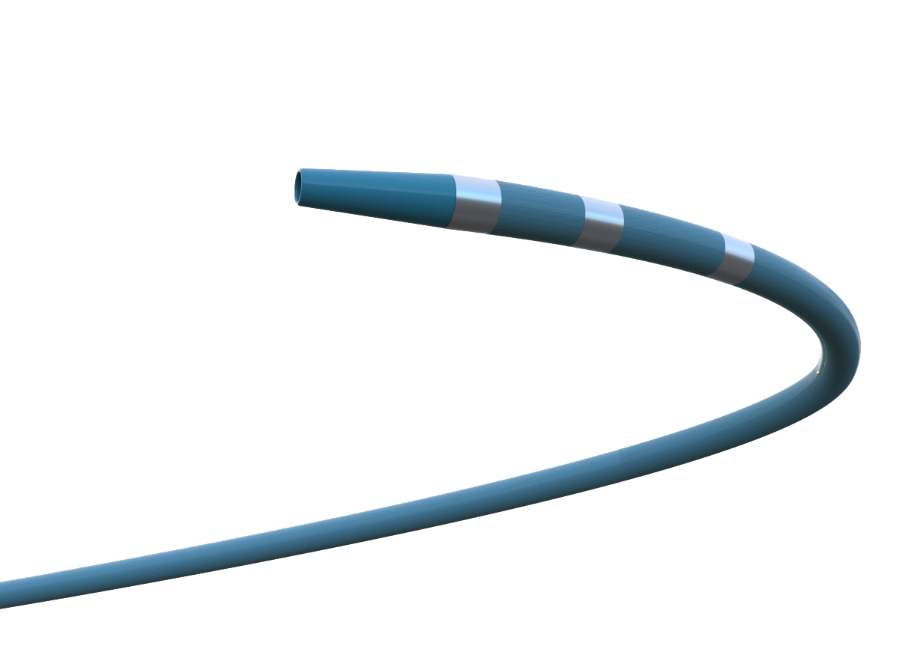
- Spacing between radiopaque markers: The distance between the two platinum-iridium radiopaque markers is 30 mm
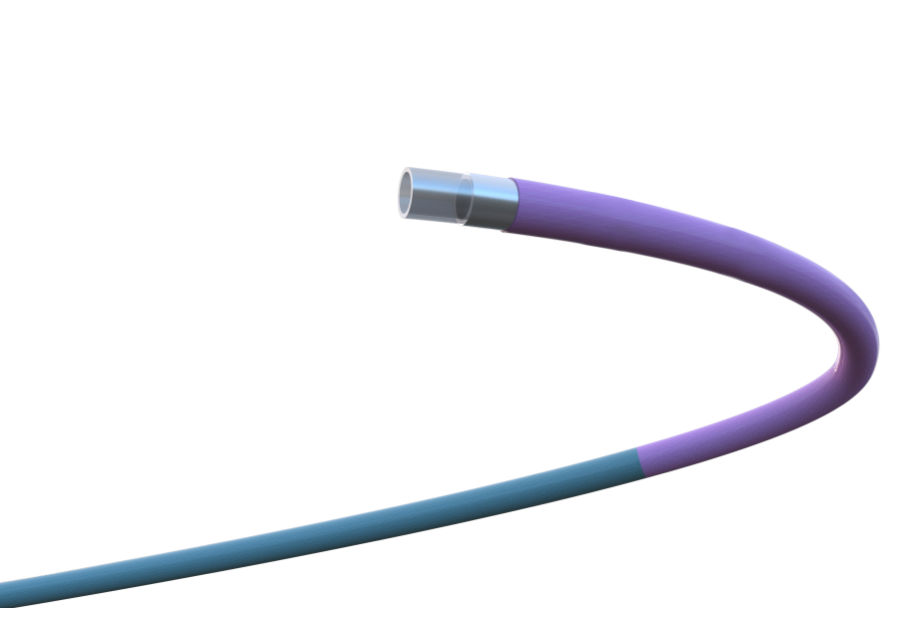
- Outstanding controllability: The outer layer of the microcatheter uses different stiffness materials; it becomes soft in sequence from the proximal end to the distal end and has outstanding controllability
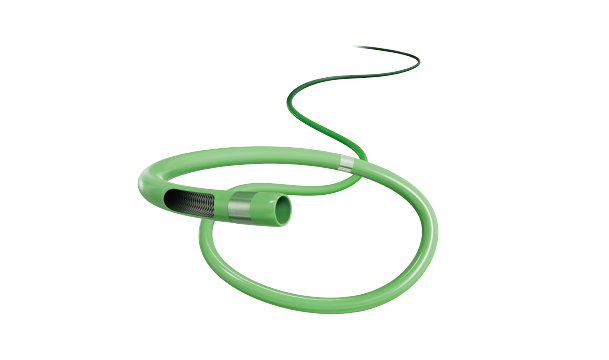
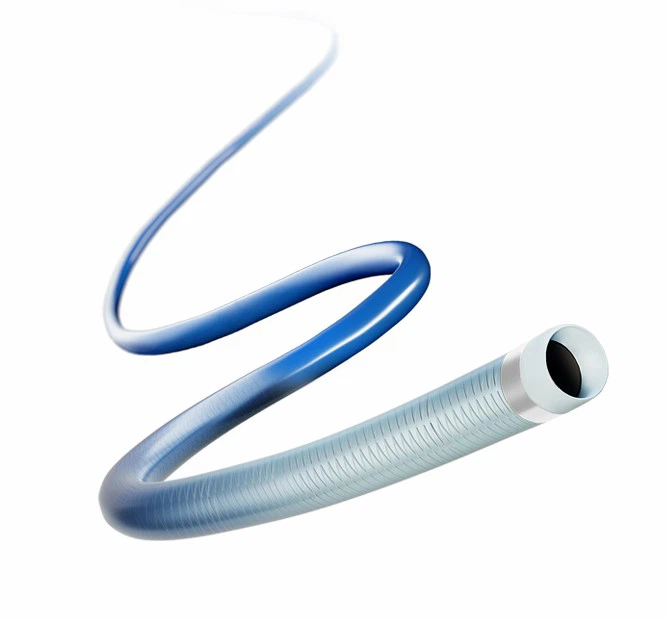
- Unique coil wire structure: The middle layer of the microcatheter adopts the metal wire coiling process to provide suitable softness for the tube body and is more suitable for fragile intracranial blood vessels
- Excellent lubricity: The outer surface of the microcatheter is coated with a layer of ultra-slippery hydrophilic coating, so that the microcatheter can travel smoothly through the blood vessels, reducing damage to blood vessels, which are more likely to reach and pass through diseased blood vessels
- Excellent crossability: The distal end of the catheter adopts a soft and small tapered structure, combined with the outer diameter structure that gradually becomes smaller from the proximal end to the distal end, so that the catheter can accurately cooperate with the guide wire, with excellent crossability, to reach smaller intracranial blood vessels.
- Good radiopaque visibility: The distal end of the microcatheter adopts a double radiopaque marker bands design, which can achieve accurate positioning of the distal end.
- Smooth catheter channel: PTFE inner layer, suitable for the delivery of various coils and stents.
- Re-shapeable tip: Provides reachability under various complex vascular conditions and also improves the support force required for delivering devices.
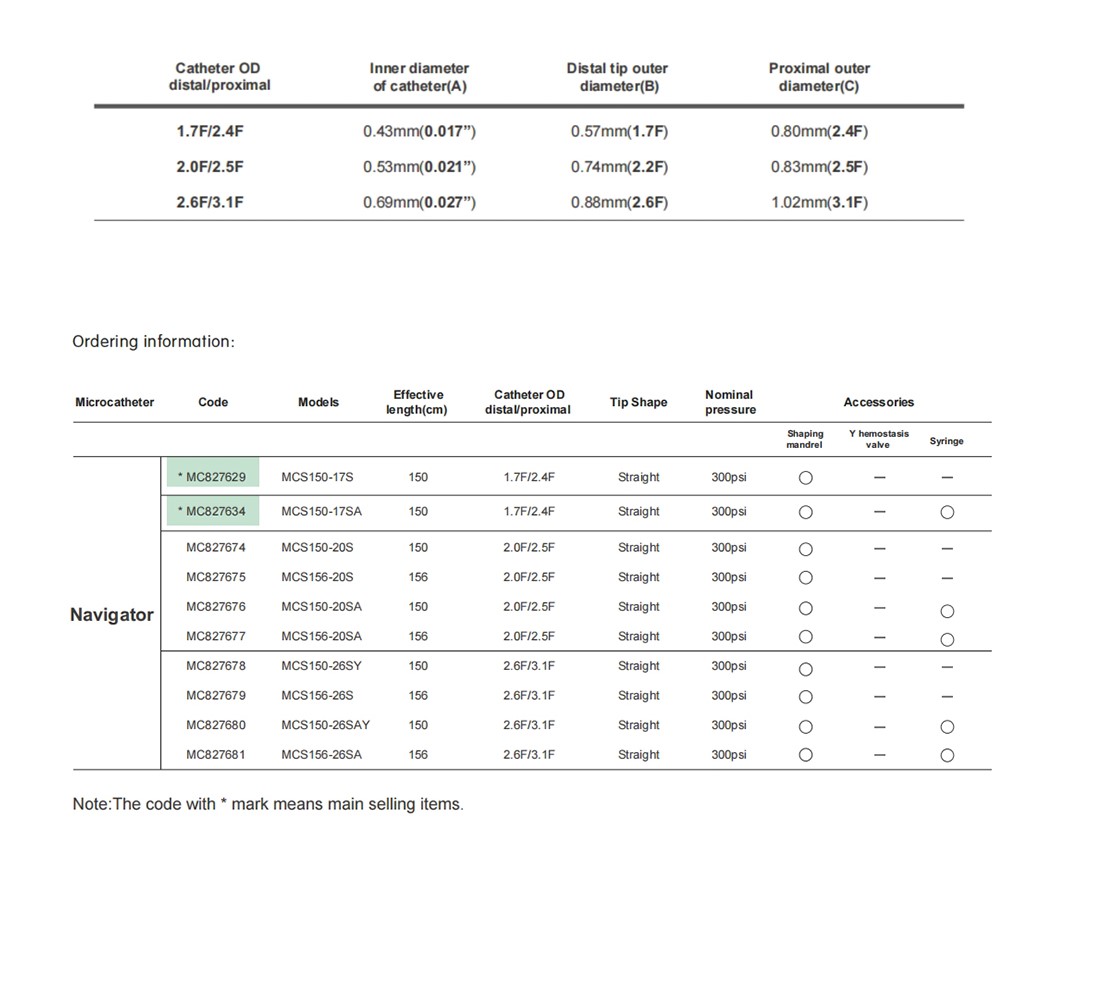
- Provides a variety of specifications: 1.7F, 2.0F, and 2.6F are available, suitable for small intracranial blood vessels.
◆ Intended use:
- Suitable for neurovascular use. After the intracranial microcatheter reaches the designated position through the guide wire, the diagnostic, embolic, or therapeutic agents can be infused into the blood vessel through the lumen of the microcatheter