- TCM5 FLEX transcutaneous monitor supports your care of critically ill patients :
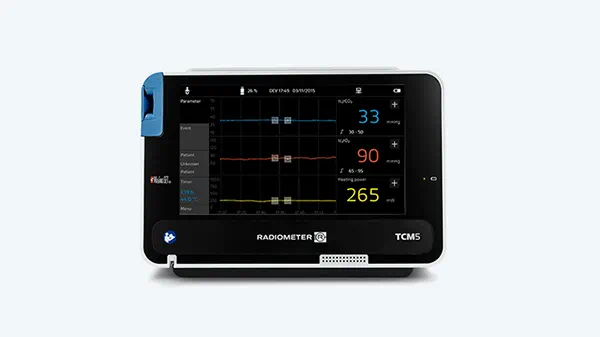
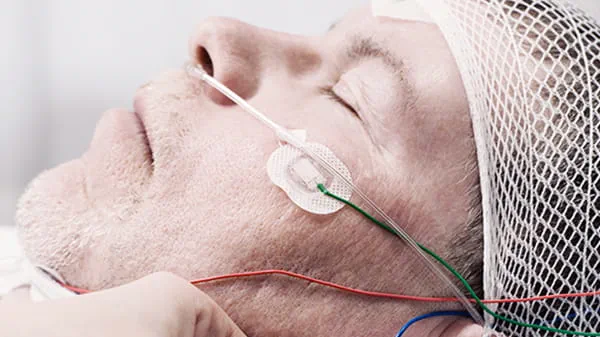
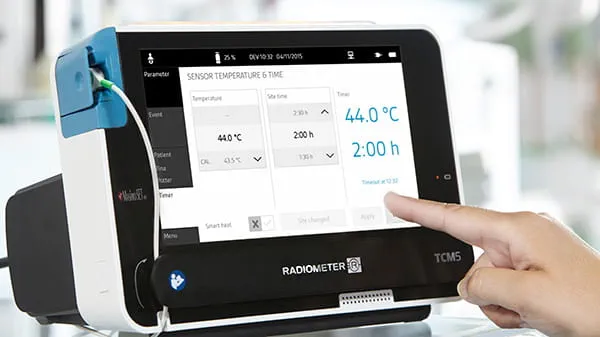
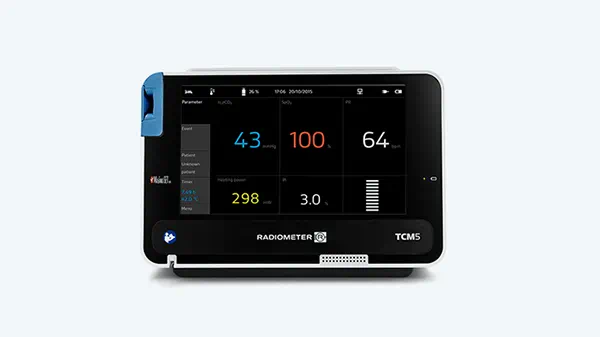
The TCM5 FLEX transcutaneous monitor is a compact, easy-to-use solution that delivers accurate and continuous measurement of oxygenation (tcpO2) and ventilation (tcpCO2) status in neonatal, pediatric and adult patients in the ICU.
System defined limits of site time vs. temperature help reduce the risk of harm from the heated electrode.
* Parameters :
- Pulse Oximetry: Pulse : , SpO2
- Transcutaneous blood gas: tcpCO2 , tcpO2
Connect your TCM5 device and see patient data on one screen
- Connectivity :
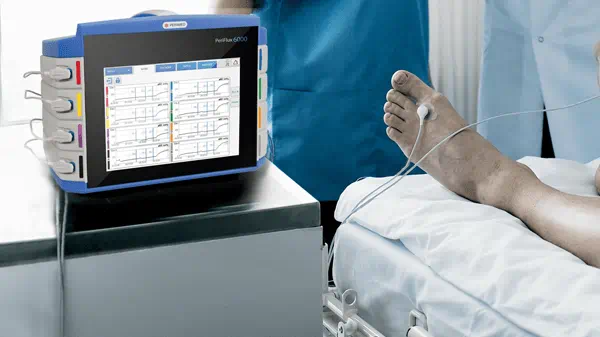
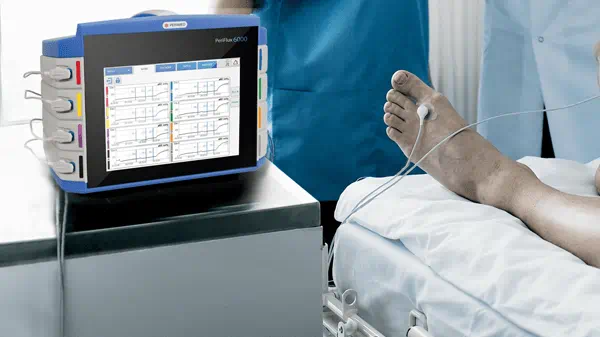
The ability to connect your TCM5 device to multiple systems means you can see TCM data and other patient data on one screen. Plus, all recordings and data can be collected in one system for later analysis.
- Connectivity options :
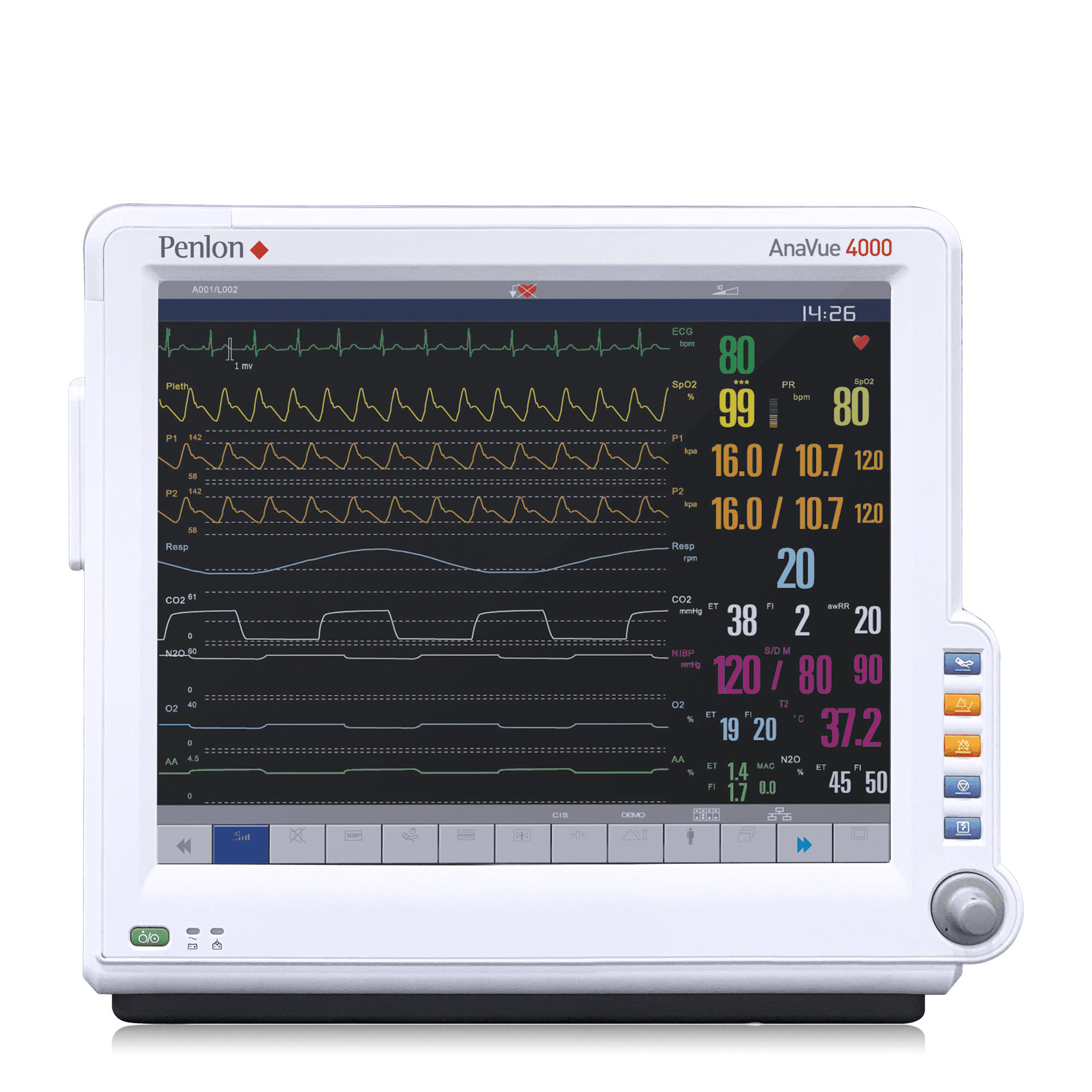
Your TCM5 device connects to a wide range of patient monitoring systems, data management systems, polysomnography systems, and ventilators. Discover all the devices that are compatible with your TCM5 and connect your device today.
- Transcutaneous monitor with reliable sensors :
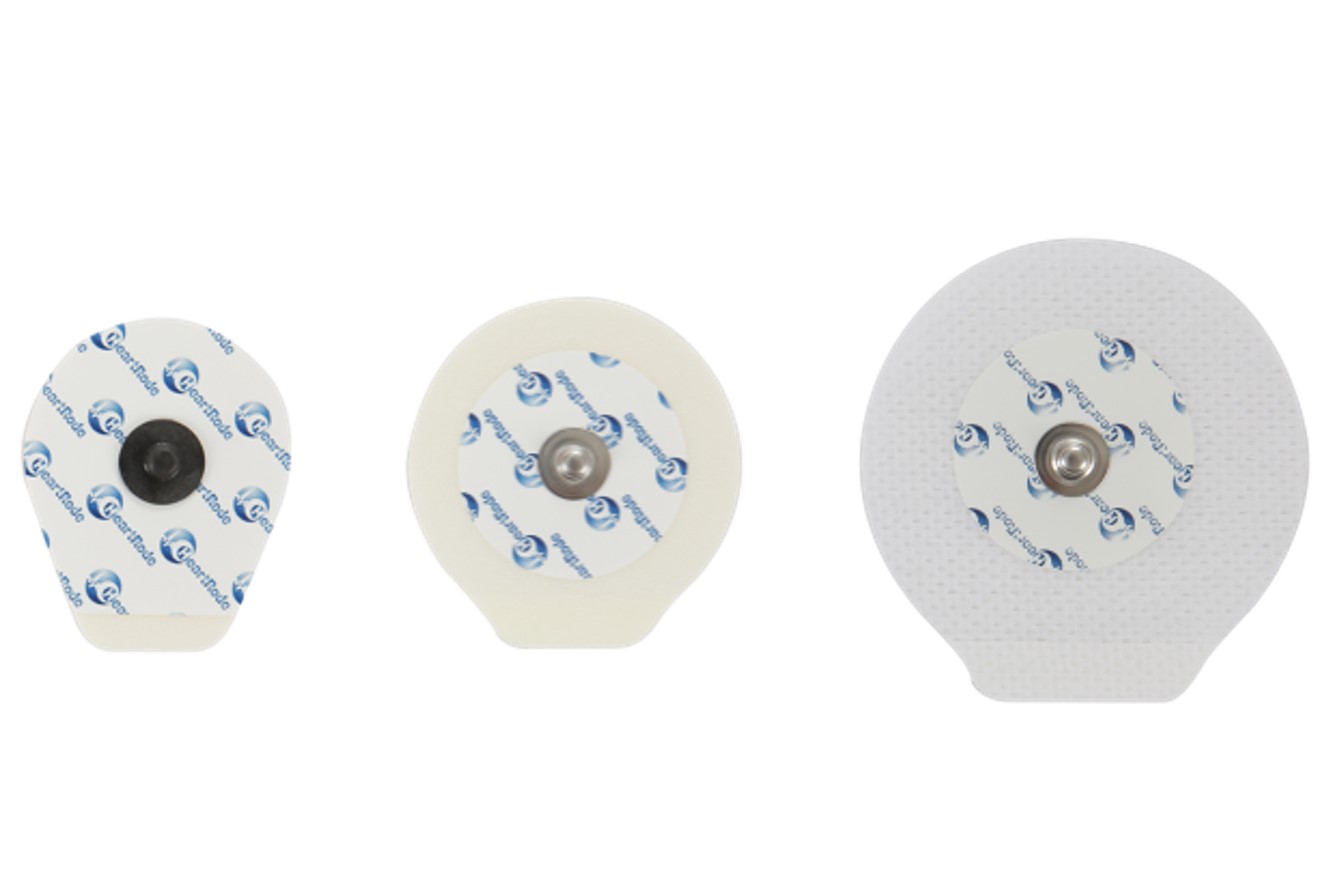
The surgical steel protected sensors measure tcpO2 and tcpCO2, SpO2 and pulse rate, delivering consistent and reliable results. The sensors have a variety of fixation options helping to improve patient comfort.
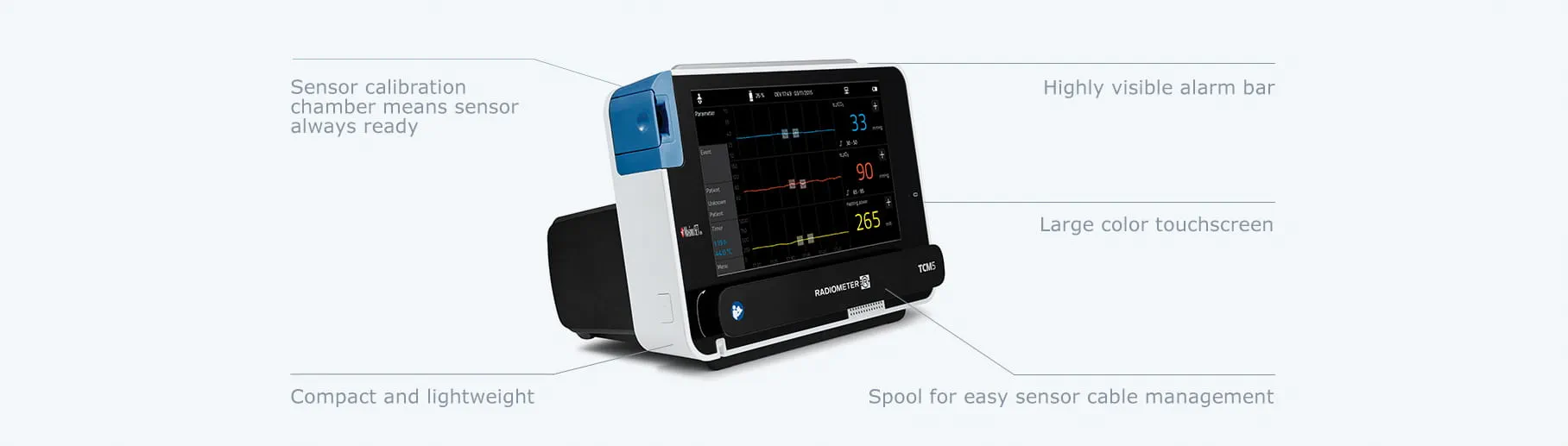
Automatic calibration of the sensor reduces preparation time and improves workflow.
A dedicated sensor cable spool makes cable management easy, keeping your department clutter-free.
New for 2022: Improved sensor head design with better protection of the cable and greater pull strength
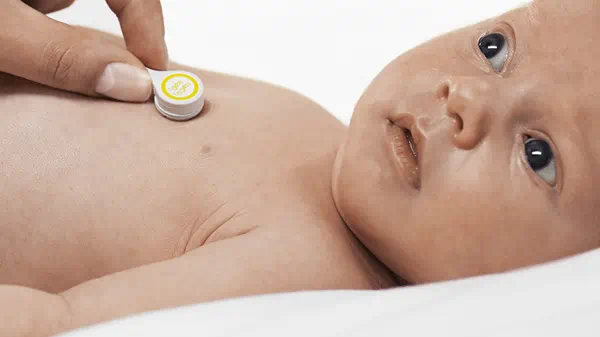
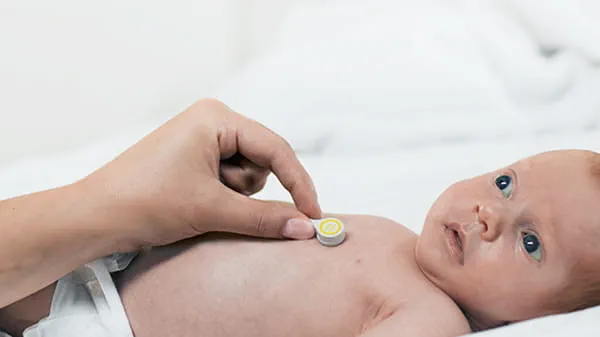
- Transcutaneous monitoring enables careful monitoring of the neonate
- Transcutaneous monitoring – or continuous, non-invasive monitoring – of tcpO2 and tcpCO2 can detect changes in the oxygenation and ventilation status of neonates. [2, 3, 4, 5]
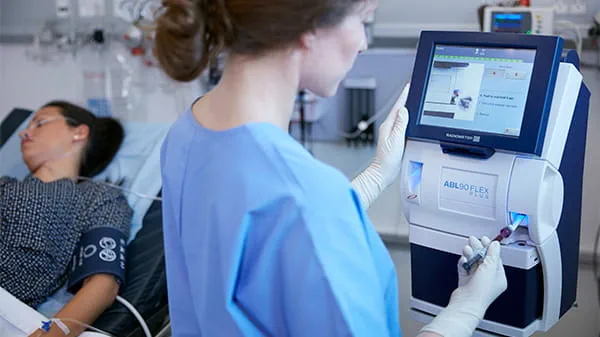
- Transcutaneous monitoring complements arterial and capillary blood sampling. It may even help to reduce the number of blood samples and limit unnecessary handling of the infant, while ensuring careful control of your patient. [3, 4, 5, 6, 7]
- The TCM5 FLEX transcutaneous monitor helps reduce patient discomfort with system defined limits of site time vs. temperature to reduce the risk of harm from the heated electrode by predefined combinations of time and temperature.
- Continuous transcutaneous monitoring of patients in the ICU :
Patients with acute respiratory failure and respiratory pump insufficiency are often treated with mechanical ventilation. Real-time monitoring offers a reliable approach to titrate ventilator settings without repeated blood sampling.[8, 9, 10, 11]
Unlike blood gas sampling, transcutaneous monitoring provides continuous information on CO2 levels allowing for proactive, rather than reactive ventilator adjustments.[10]
Transcutaneous monitoring improves patient care by reducing the need for blood samples, thereby reducing patient discomfort.[7, 10]
Weaning and extubation decisions may be made based on tcpCO2 measurement alone.[10]
- References :
1. Spelten O. Transcutaneous PTCCO2 measurement in combination with arterial blood gas analysis provides superior accuracy and reliability in ICU patients. J Clin Monit Comput (2017) 31:153–158.
2. Quine D, Stenson BJ. Does the monitoring method influence stability of oxygenation in preterm infants? A randomized crossover study of saturation versus transcutaneous monitoring. Arch Dis Child Fetal Neonatal 2008; 93
3. Rüdiger M et al. A survey of transcutaneous blood gas monitoring among European neonatal intensive care units. BMC pediatrics 2005; 5, 30.
4. Sandberg KL et al. Transcutaneous blood gas monitoring during neonatal intensive care. Acta pæediatrica 2011; 100.
5. SØRENSEN L, BRAGE-ANDERSEN L, GREISEN G. Effects of the transcutaneous electrode temperature on the accuracy of transcutaneous carbon dioxide tension. Scandinavian Journal of Clinical and Laboratory Investigation 2011; 71, 7: 548-52.
6. Goenka A et al. Neonatal blood gas sampling methods. SAJCH 2012; 6, 1.
7. Lundstrøm K. E. Continous Blood gas monitoring in neonates and infants. neonatal INTENSIVE CARE 2003; 16, 4.
8. Jardins TD, Burton GB. Clinical manifestations and assessment of respiratory disease. 6th edition. Maryland Heights: MOSBY Elsevier, 2011; 125.
9. Windisch W et al. German National Guideline for Treating Chronic Respiratory Failure with Invasive and Non-Invasive Ventilation: Revised Edition 2017 – Part 1. Respiration 2018; 1-32.
10. Restrepo RD. AARC Clinical Practice Guideline: Transcutaneous Monitoring of Carbon Dioxide and Oxygen. Respiratory Care, 2012; 57, 11: 1956.
11. Jansenss JP. Transcutaneous PCO2 to Monitor Noninvasive Mechanical Ventilation in Adults. Chest 1998; 113: 768-73.