Glutton manual thrombus aspiration catheters are medical devices used during surgery to remove thrombus, or blood clots, from within blood vessels. The distant multiple segment hardness gradient design of these catheters is a feature that enhances their flexibility. This design allows the catheter to be easily maneuvered through blood vessels, improving the safety and effectiveness of the procedure.
GluttonTM manual thrombus aspiration catheters is a medical device that is used to remove blood clots or thrombi from arteries or veins. This device is used in patients who are suffering from acute ischemic stroke, which occurs when a blood clot blocks blood flow to the brain, The distant multiple segment hardness gradient design of these catheters is a feature that enhances their flexibility. This design allows the catheter to be easily maneuvered through blood vessels, improving the safety and effectiveness of the procedure. Its unique features, including a large internal lumen, support function, hydrophilic surface, coil and braided structure, make it an effective and safe option for aspiration of thromboembolic material from the large vessels.
Features &Advantages
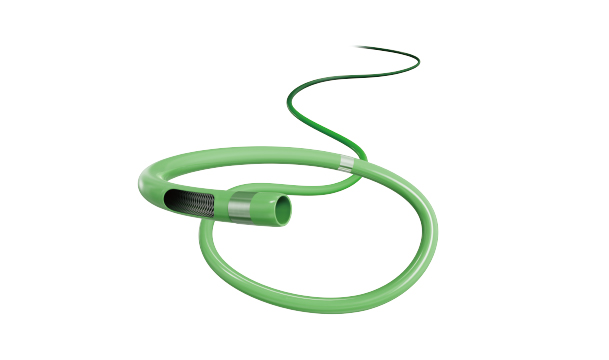
1. Coil and braided structure provides it with a high level of flexibility and maneuverability. The combination of these structures allows the catheter to be easily guided through blood vessels with minimal resistance, which makes it easier to reach and remove clots distal locations.
Hybrid structure of coil and braiding balanced kink resistance and trackability
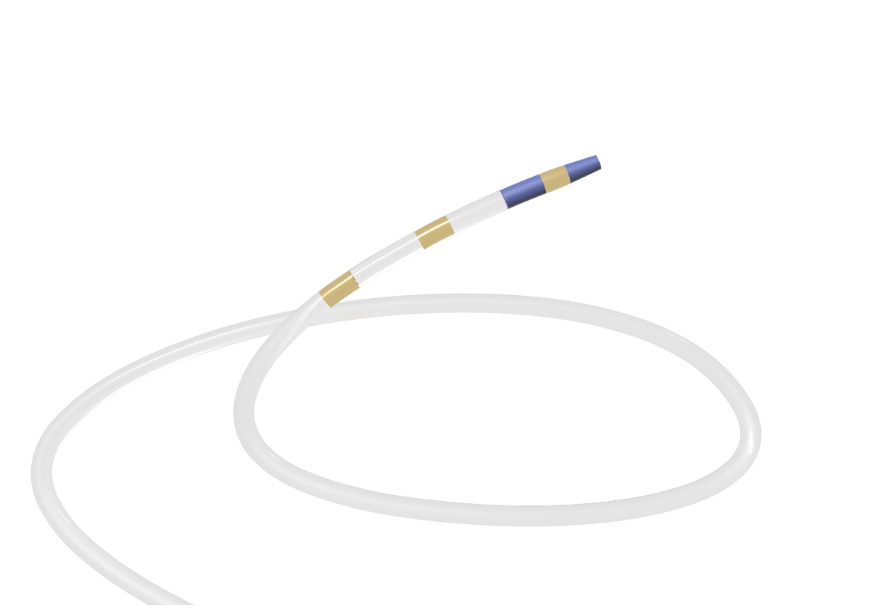
2. The catheter's distant multiple segment hardness gradient refers to the gradual change in hardness of the catheter material as it progresses from the base to the tip. The base of the catheter is typically made of a harder material, while the tip is made of a softer material. This design provides the catheter with the necessary rigidity to navigate through blood vessels while maintaining its overall flexibility.
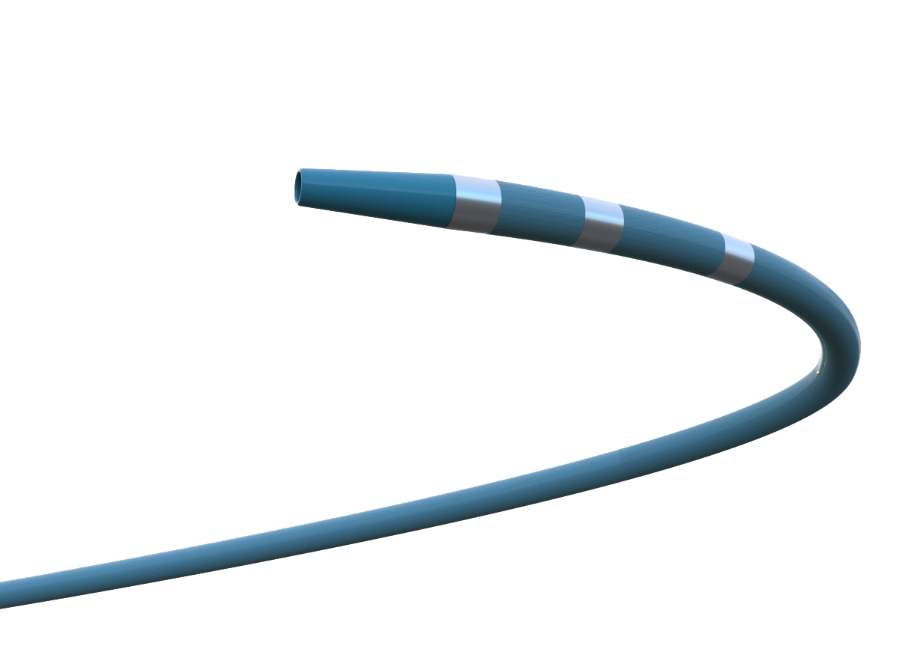
3. Large internal lumen allows for effective aspiration of thrombus and debris from large arteries. The catheter is made of a flexible and biocompatible material, which permits easy navigation through tortuous vessels and minimizes vessel trauma during the procedure. It is also designed to provide support for the coronary artery walls during the aspiration process. The distal tip of the catheter is reinforced with a support wire, which prevents the catheter from collapsing during aspiration and enhances the stability of the device.
0.072'' large lumen for aspiration and capturing large clots
4. Hydrophilic surface allows the catheter to easily glide to the targeted position, reducing the risk of damage to the vessel wall. The coating's durability extends the lifespan of the device, and its low friction and resistance characteristics make it easy to manipulate. Its superhydrophilic coating makes it an essential tool for physicians who treat thrombi within the human vasculature.
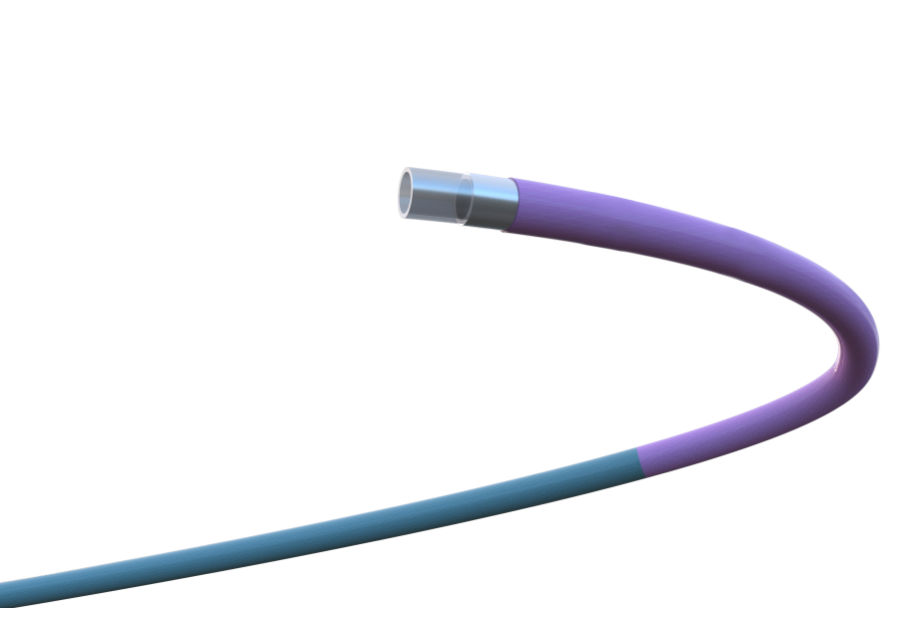
5. A proximal enhanced polymer composite material in the manual thrombus aspiration catheter helps to reduce the chances of the catheter breaking or getting stuck during the procedure.