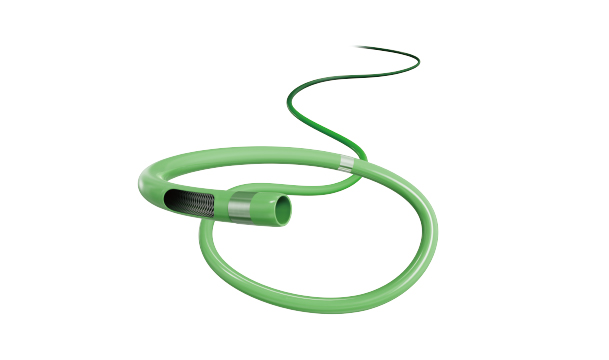
The GluttonTM Aspiration Catheter Stroke, featuring hybrid structure coil and braid, ensures easy navigation to the M1 and M2 segments, basilar, and vertebral arteries. and effective and atraumatic clot removal for patients experiencing acute ischemic stroke.
The GluttonTM Aspiration Catheter Stroke is is an innovative medical device that offers a unique combination of features designed to enhance its effectiveness in treating stroke patients. One of the most important features of this catheter is its distal multi-segment gradient hardness and flexibility. This feature allows the catheter to navigate through the delicate and complex vascular system of the brain, reaching even the smallest and most remote areas that may be affected by the stroke. At the same time, the catheter remains gentle and flexible, preventing any damage to the blood vessels and ensuring a smooth and safe navigation. Another great advantage of the aspiration catheter stroke is its ultra-large inner lumen. This feature not only allows for a better suction power, but also provides a strong and stable support for the device along the path. This is crucial in stroke treatments, where any accidental movement or dislodging of the catheter could cause serious complications and impairments. Moreover, the aspiration catheter stroke features a hydrophilic coating that makes it very easy to navigate through the vascular system and reach the target area. This coating also helps to reduce the friction and resistance between the catheter and the blood vessels, leading to a smoother and faster insertion and retrieval of the catheter.
Features & Benefits
1. Structure of coil and braid provides flexibility and superior kink resistance.
2. 0.072 inch larger lumen for aspiration and capturing large blood clots.
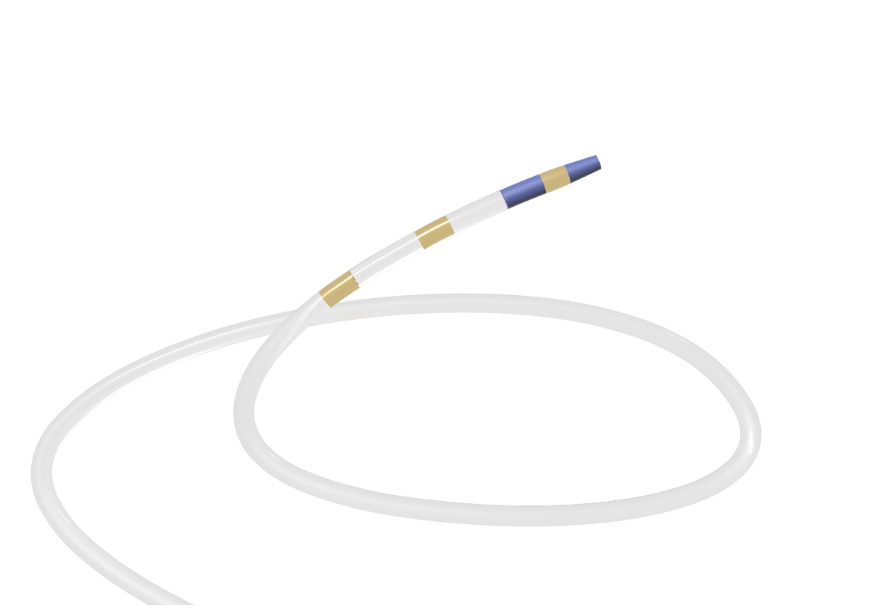
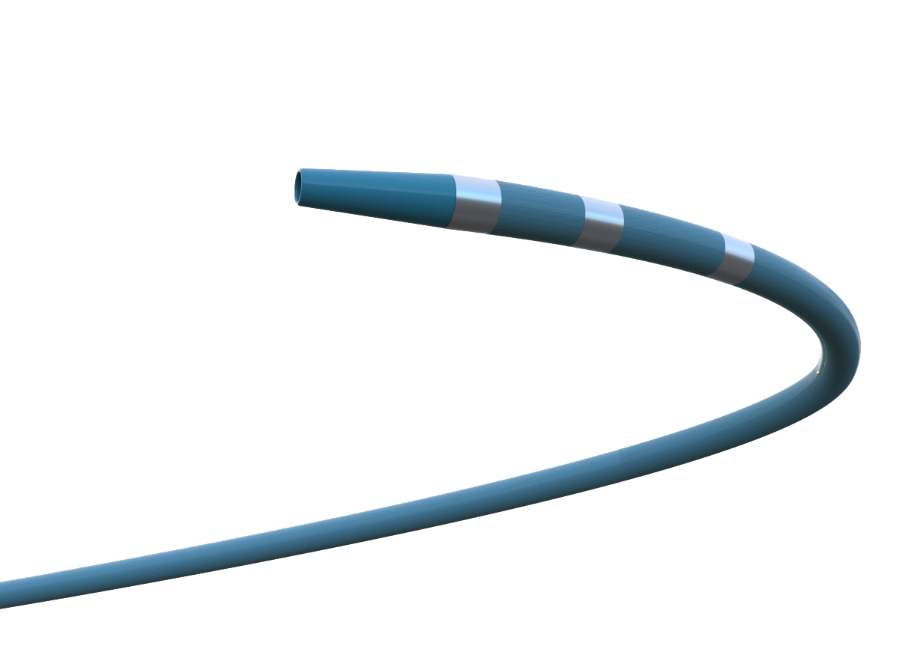
3. Distal multi-segment design of gradual hardness.
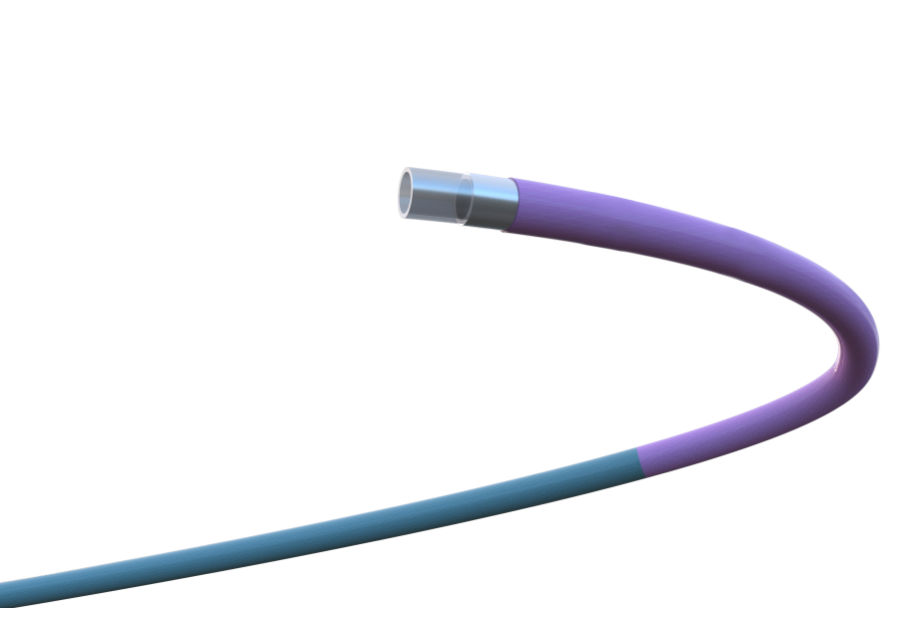
4. Proximal composite polymer enhances support and torque ability at the proximal.
5. It is compatible with 6F long sheath.
6. Hydrophilic coating on the distal segment allows GluttonTM to overcome the most tortuous anatomies.