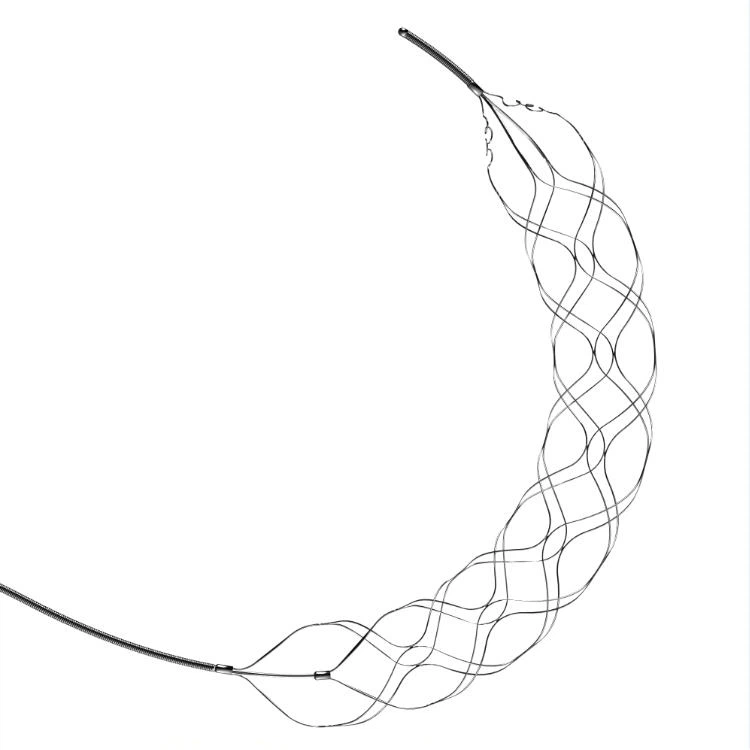
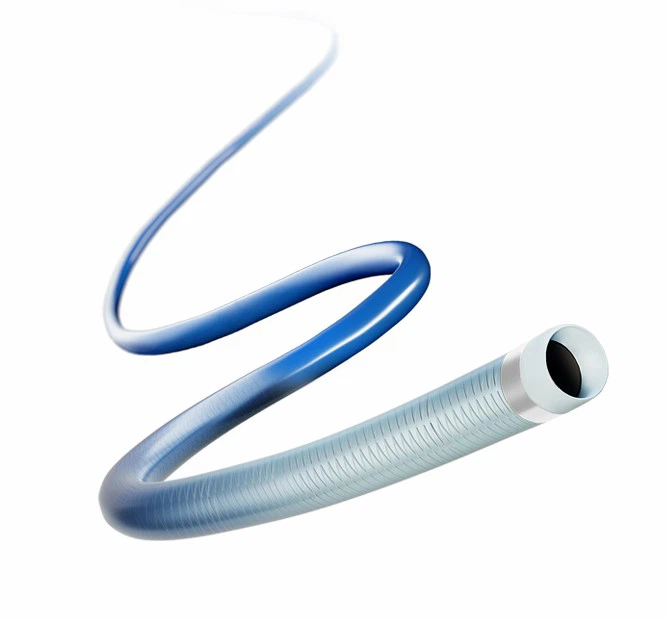
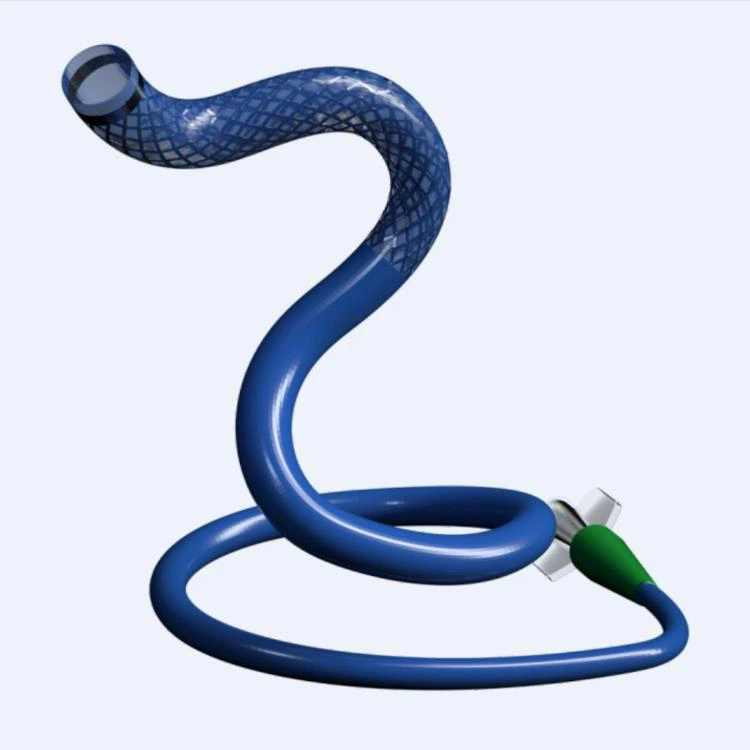
The Dredger Vascular Revascularization Device is designed to restore blood flow in patients who have had an ischemic stroke due to large intracranial vascular occlusion. Featuring proprietary movable cell design, a unique dual stent retriever-based technology, The Dredger provides an innovative technology to improve flow, remove clot and rejuvenate neurological tissue. The device is designed to be used in neurovascular structures such as the middle carbide artery, anterior cerebral artery, basilar and vertebral arteries internal carotid artery, and M1 and M2 segments.
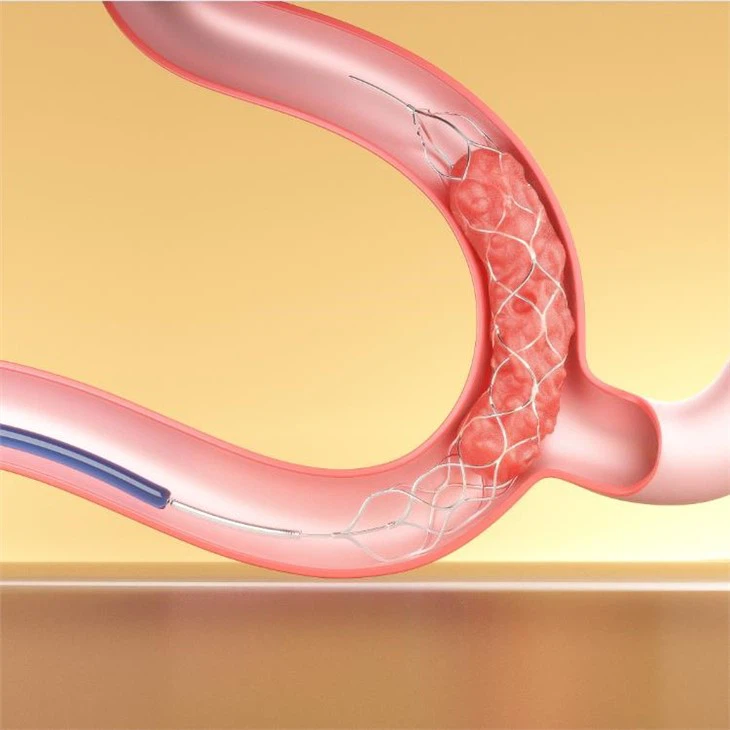
The DredgerTM vascular revascularization device is intended to treat patients with an acute ischemic stroke caused by a large vessel occlusion. A large vessel occlusion is defined as a blood clot that blocks a major artery in the brain, resulting in a significant reduction in blood flow to the affected area. This type of stroke often leads to severe neurological deficits and is associated with high morbidity and mortality rates.The revascularization device is also suitable for patients who are not eligible for or have failed treatment with intravenous thrombolysis, a standard treatment for acute ischemic stroke. Patients with contraindications to intravenous thrombolysis, such as recent surgery, bleeding disorders or recent use of anticoagulation drugs, may be good candidates for neurointerventional revascularization. consists of an expandable thrombus capturing retriever made of Nitinol and a pusher wire attached to the Nitinol scaffolding. The DredgerTM is supplied preloaded to the introducer sheath. The device is designed to be delivered via a microcatheter placed on the clot and removed with the clot to ensure revascularization of the occluded intracranial vessel. The revascularization procedure uses a widely accepted model of control where the arterial system is accessed through the femoral artery in the groin. The device is then advanced into the brain using standard endovascular techniques.
Features &Advantages
1. The atraumatic soft tip reduces the risk of damage or trauma to the surrounding tissue.
2. Comprehensive specifications conform to a variety of different demands.
3. Distinctive truck net avoids small thrombus running away.
4. The movable grid of the dual-layer stent realizes capturing, clamping and removal of thrombus.
clot retrieval stent
Helical cell groups:exclusive varied cell design, clot capture mainly dueto clamping of cell change
5. The minimum radial outward force reduces vascular intimal stimulation and damage.
6. Closed ring design match with the profile of vessel precisely.
7. Platinum alloy wire and markers are settled on the tip, body and proximal of retriever for fluoroscopic visualization.