NEUROLITH
Transcranial Pulse Stimulation (TPS) for the treatment of patients with Alzheimer's disease
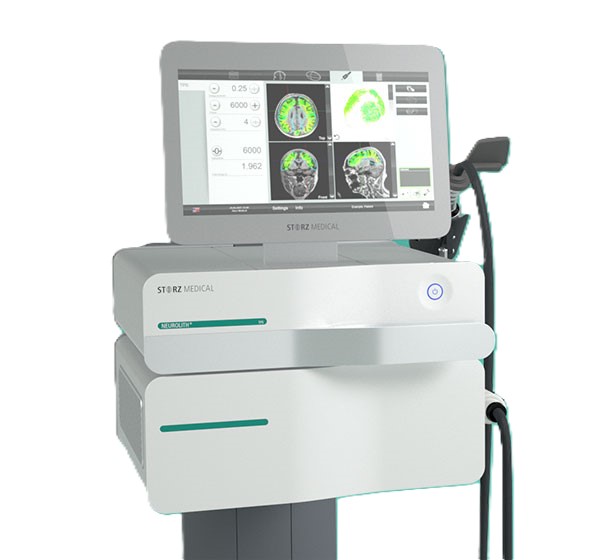
• Targeted deep stimulation of cerebral regions
• Use of personalised MRI data
• Visualisation of MRI data in three planes
• Real-time visualisation of the applied pulses in colour
• USB interface for MRI data import
• Patient database
NEUROLITH
Transcranial Pulse Stimulation (TPS) for the treatment of patients with Alzheimer's disease
What are shock waves?
Shock waves are acoustic pulses, which have been used successfully since 1980 for the treatment of various conditions. They allow physical energy to take effect in localised areas of tissue. Shock wave studies related to orthopaedic or cardiac indications show that shock waves promote mechanotransduction1, stimulation of vascular endothelial growth factors (VEGF)2,3 and the release of nitric oxide (NO)4. This results in improved blood flow and formation of new blood vessels (neoangiogenesis).
Shock waves vs. ultrasound
Shock waves are related to ultrasound waves, but the two technologies are fundamentally different. While ultrasound is characterised by a continuous wave with numerous oscillations, shock waves are characterised by a single pressure pulse followed by a tensile wave of lower amplitude. As a result of the high-frequency alternating exposure, the energy of the ultrasound waves is absorbed by the tissue and can lead to tissue heating – an effect that is not observed with shock waves.
Transcranial Pulse Stimulation (TPS)
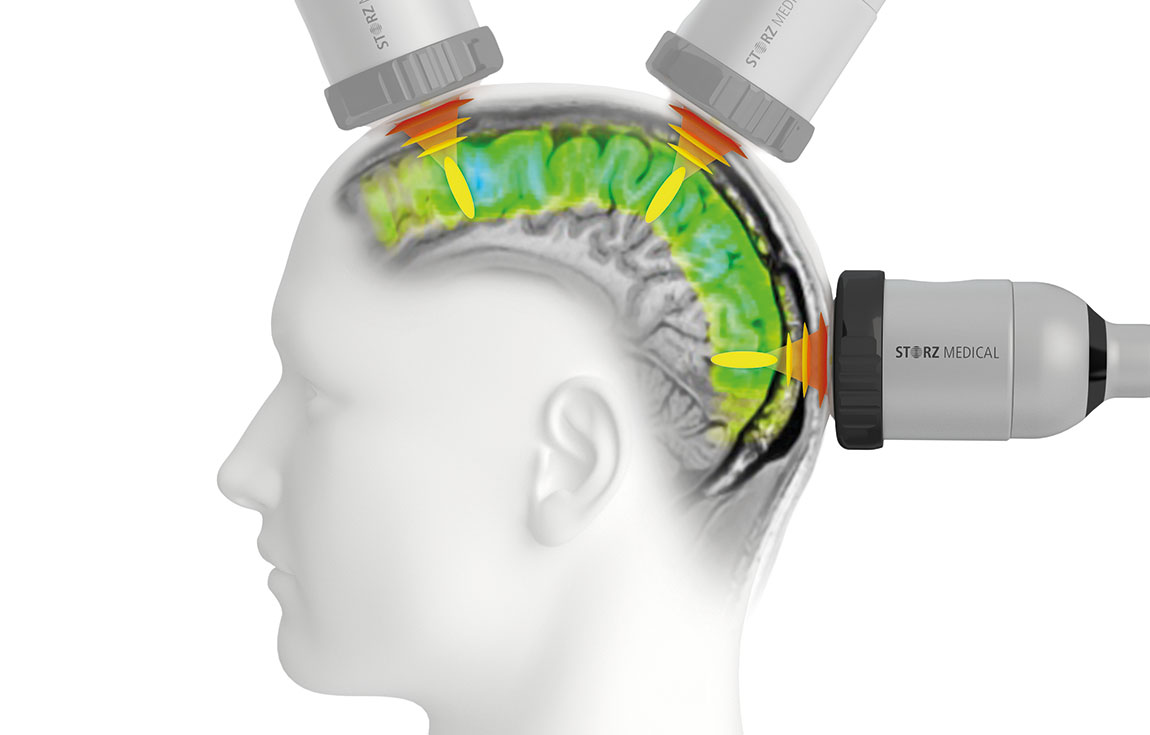
In Neurology, we refer to shock wave treatment with the NEUROLITH® as Transcranial Pulse Stimulation – TPS for short. Other applications use high-energy shock waves, whereas TPS uses low-energy waves to introduce energy into the tissue.
Patients with Alzheimer's disease were first treated in 2015 as part of a study at the University of Vienna5,6. The NEUROLITH® system with TPS is a device for the treatment of patients with Alzheimer's disease and has been CE-marked since 2018.
Neurological conditions such as Parkinson's disease, among others, are now a focus of our continuing clinical research and development.
Advantages of TPS
• Targeted deep stimulation of cerebral regions
• Straightforward outpatient treatment
• Duration of a session: approx. 30 minutes, six sessions in two weeks
• No head shaving necessary
• Real-time visualisation of the applied pulses in colour
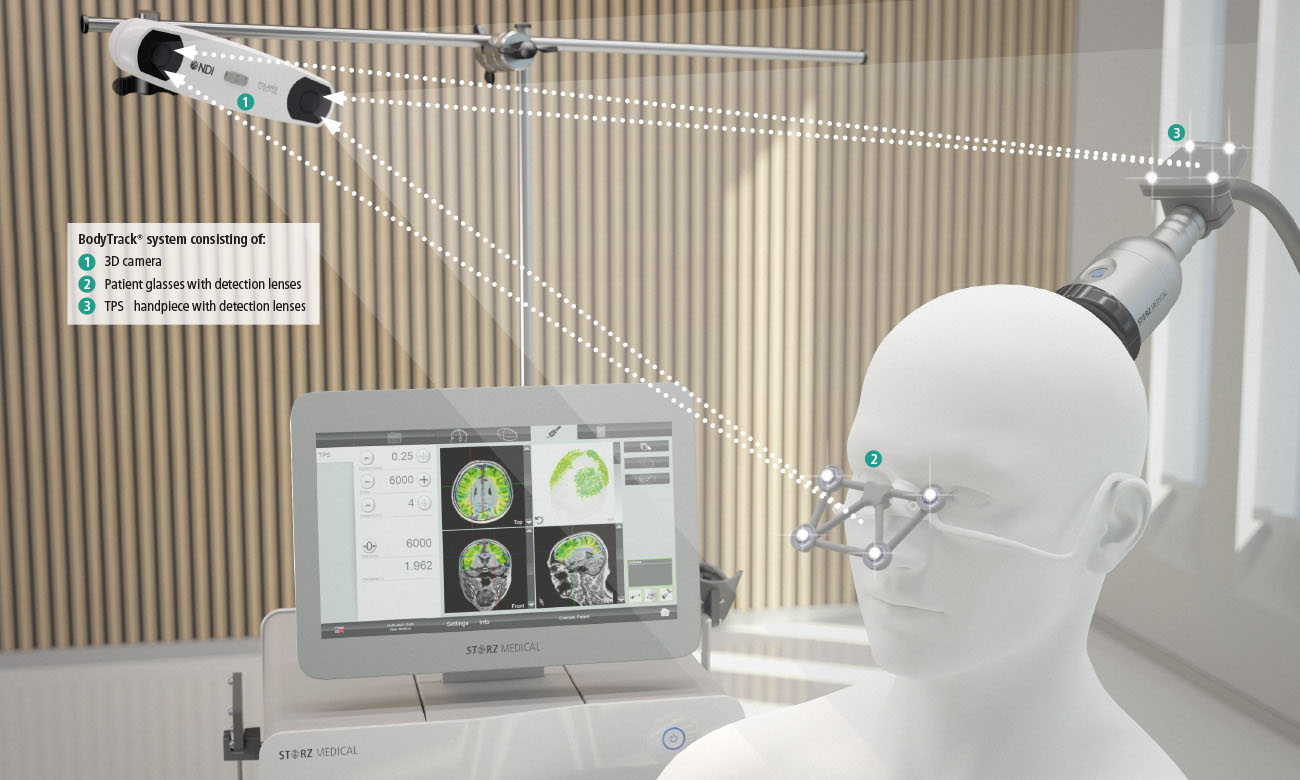
BodyTrack® – real-time treatment documentation with 3D visualisation
Real-time tracking of the handpiece position automatically reveals which area has been treated. The use of personalised MRI data allows individual brain features to be taken into consideration. Each time the handpiece position is changed, the display of the target regions in the loaded MRI images is automatically adjusted. The applied energy is displayed in colour. The BodyTrack® software is a unique tool for visualising and monitoring the emitted TPS pulses and the course of the treatment.
Advantages of the BodyTrack® software
• Use of personalised MRI data
• Display of MRI data in three perspectives
• Colour visualisation of the treatment zone
• Real-time display of the TPS pulse distribution
• Documentation of the applied energy and the course of treatment